- Who We Are
- Updates & News
- Standards
- Software Tools
- Network Studies
- Community Forums
- Education
- New To OHDSI?
- Community Calls
- Past Events
- Workgroups
- Tutorials
- 2025 ‘Our Journey’ Annual Report
- Current Events
- Support & Sponsorship
- 2025 Global Symposium
- 2026 Europe Symposium
- 2026 Global Symposium
- Github
- YouTube
- X/Twitter
- Newsletters

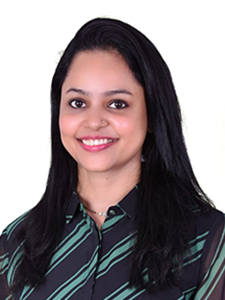
She is committed to improving healthcare, using her clinical and data expertise to enhance patient care and outcomes in India and beyond. She discusses her career journey, how OHDSI aligns with her professional goals, the growth of OHDSI in India, and more in the latest collaborator spotlight.
Can you discuss your background and career journey?
I am Dr. Swetha Kiranmayi Jakkuva, originally from Srikakulam, Andhra Pradesh, where I completed my schooling and higher education. Growing up there strongly shaped my values, resilience, and commitment to learning. From a young age, I aspired to become a doctor a dream deeply shared with my father, who believed strongly in education and service to society.
I pursued Dentistry with genuine passion and went on to spend four years in clinical practice, gaining firsthand experience in patient care and real-world healthcare delivery. Over time, however, I realized that full-time clinical practice did not align with my long-term vision. While stepping away from direct patient care was challenging, it became a pivotal moment that allowed me to contribute to healthcare at a broader, system level.
My transition into the non-clinical domain began with ICON Clinical Research, where I worked in Clinical Data Management, bridging my clinical background with data, research operations, and regulatory processes. I later joined athenahealth, expanding my exposure to healthcare technology, data standards, and large-scale systems, and deepening my interest in interoperability and data-driven healthcare.
To strengthen my analytical foundation, I completed a Post Graduate Diploma in Data Science and Business Analytics from The University of Texas at Austin.
Currently, I work with Global Value Web (GVW), leading initiatives in Real-World Data (RWD), Real-World Evidence (RWE), observational research, and data standardization, along with strategic leadership and community building as the OHDSI India Chapter Leader. Though non-linear, my journey has been intentional each phase enabling me to contribute to healthcare in a more scalable, data-driven, and impactful way.
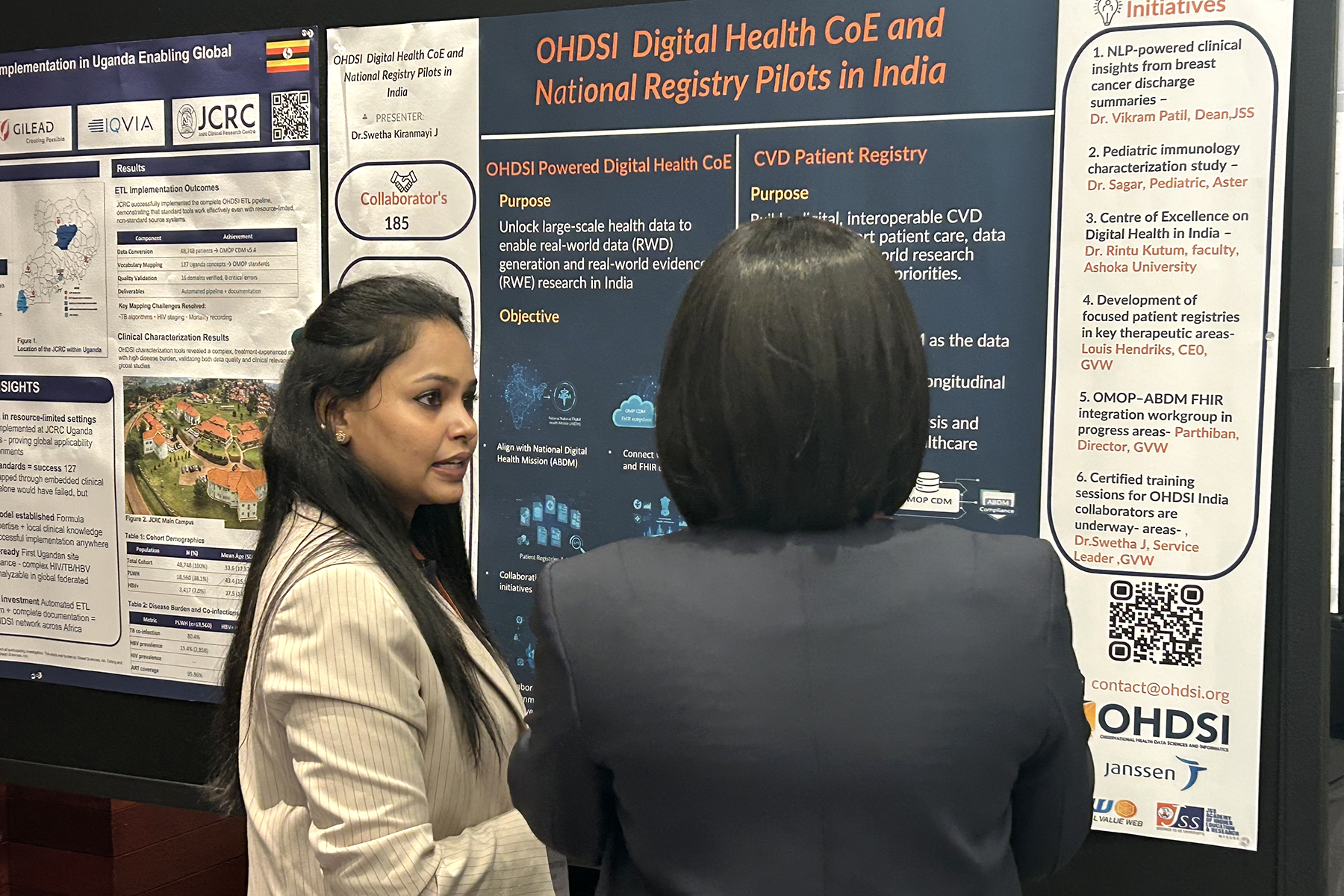 As a Senior Research Analyst with Global Value Web, you began to research OHDSI in 2020. What gaps were you hoping to address within Indian healthcare when you first began exploring OHDSI, and which qualities of the community, tools, or mission helped you see it as aligned with your goals?
When I began exploring OHDSI in 2020 as a Senior Research Analyst at Global Value Web, I became aware of key gaps in the Indian healthcare ecosystem, particularly data fragmentation, lack of standardization, and limited reuse of real-world clinical data for research and policy insights. The COVID-19 pandemic further reinforced the importance of timely, high-quality, and interoperable data for informed decision-making, public health response, and patient care at scale.
I was seeking a common framework that could enable diverse healthcare institutions to work with a shared data language while respecting patient privacy, data ownership, and local governance. OHDSI’s federated approach, which enables collaboration without centralizing sensitive data, strongly aligned with India’s needs.
Beyond the robustness of its open-source tools and the OMOP Common Data Model, what truly resonated with me was OHDSI’s community-driven mission, rooted in open science, transparency, reproducibility, and global collaboration. The OHDSI community’s welcoming and mentor-driven culture, bringing together clinicians, researchers, data scientists, and policymakers, stood out clearly.
From that initial exploration to now, OHDSI has become more than a platform—it has become a movement aligned with my long-term vision for advancing Indian healthcare. Although I stepped away from direct patient care, OHDSI has allowed me to continue contributing to patient outcomes in a broader, sustainable, and deeply fulfilling way.
You are passionate about standardizing data for research. Where have you seen the most meaningful improvement within the Indian healthcare data landscape since adopting the OMOP CDM, and what challenges still remain?
Since beginning work with the OMOP Common Data Model (CDM) in the Indian context, the most significant change I’ve observed is a shift in mindset. While India is still in the awareness and early adoption stage, there is growing recognition that data standardization is foundational, not optional, for scalable and credible research.
I often describe OHDSI as a movement progressing through three phases Ignite, Transform, and Sustain with India currently in the Ignite phase. Encouragingly, institutions, researchers, clinicians, and industry partners are increasingly engaging with OMOP CDM, showing curiosity and willingness to move away from siloed, project-specific data models toward a shared, standardized approach.
Challenges remain due to the heterogeneity of the Indian healthcare system, varying digital maturity, and inconsistent data practices. However, this transformation is both necessary and inevitable. National initiatives like ABDM play a key role by enabling interoperability and digital infrastructure. When aligned with global frameworks like OHDSI, they create a strong pathway from awareness to adoption.
While there is still work ahead, the OHDSI momentum in India is real.
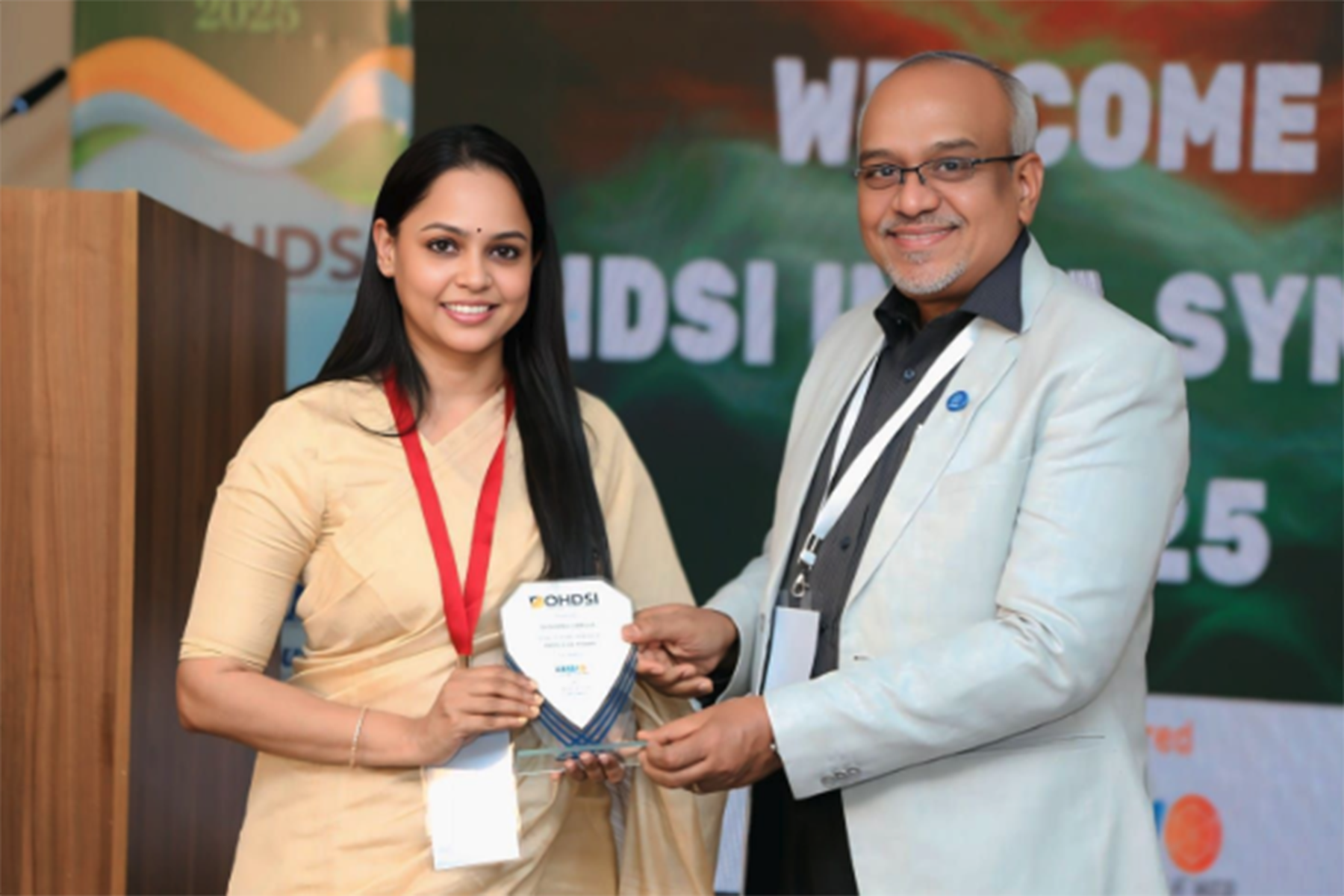 You serve as the lead for the India Chapter. What groups are showing the strongest interest in OHDSI, and how is that enthusiasm translating into tangible contributions, adoption, or collaboration?
Although our OHDSI journey began in 2022, interest has grown significantly over the past year, with increased participation in community calls and a strong willingness to contribute. During our recent visit to BGS Medical College and Hospital, Bangalore, I was encouraged by their young and dynamic leadership eager to engage with OHDSI.
JSS AHER continues to be the backbone of the community’s momentum, while Ashoka University is stepping forward to collaborate and support adoption. Academic partners are actively showing interest in implementing OHDSI and OMOP conversions, driven by young leaders with strong digital health backgrounds.
By 2026, this growing momentum is expected to enable meaningful collaborations and drive standardized, research-ready healthcare data across India.
You recently completed the second India Symposium. What moments stood out to you as particularly meaningful or representative of the growth of OHDSI in India, and why?
The second OHDSI India Symposium marked an important milestone, bringing together nearly 60 engaged attendees and 10 passionate speakers. The event clearly demonstrated that interest in OHDSI and real-world evidence is no longer niche it is growing into a movement in India. For me, the most meaningful moment was witnessing a strong sense of community and shared purpose toward advancing Indian healthcare.
The poster presentations and lightning talks highlighted India-focused research, showcasing practical OMOP and OHDSI implementations within the Indian healthcare context. Presenters effectively connected conceptual frameworks with real-world possibilities, illustrating how OMOP adoption could reshape healthcare data use in India.
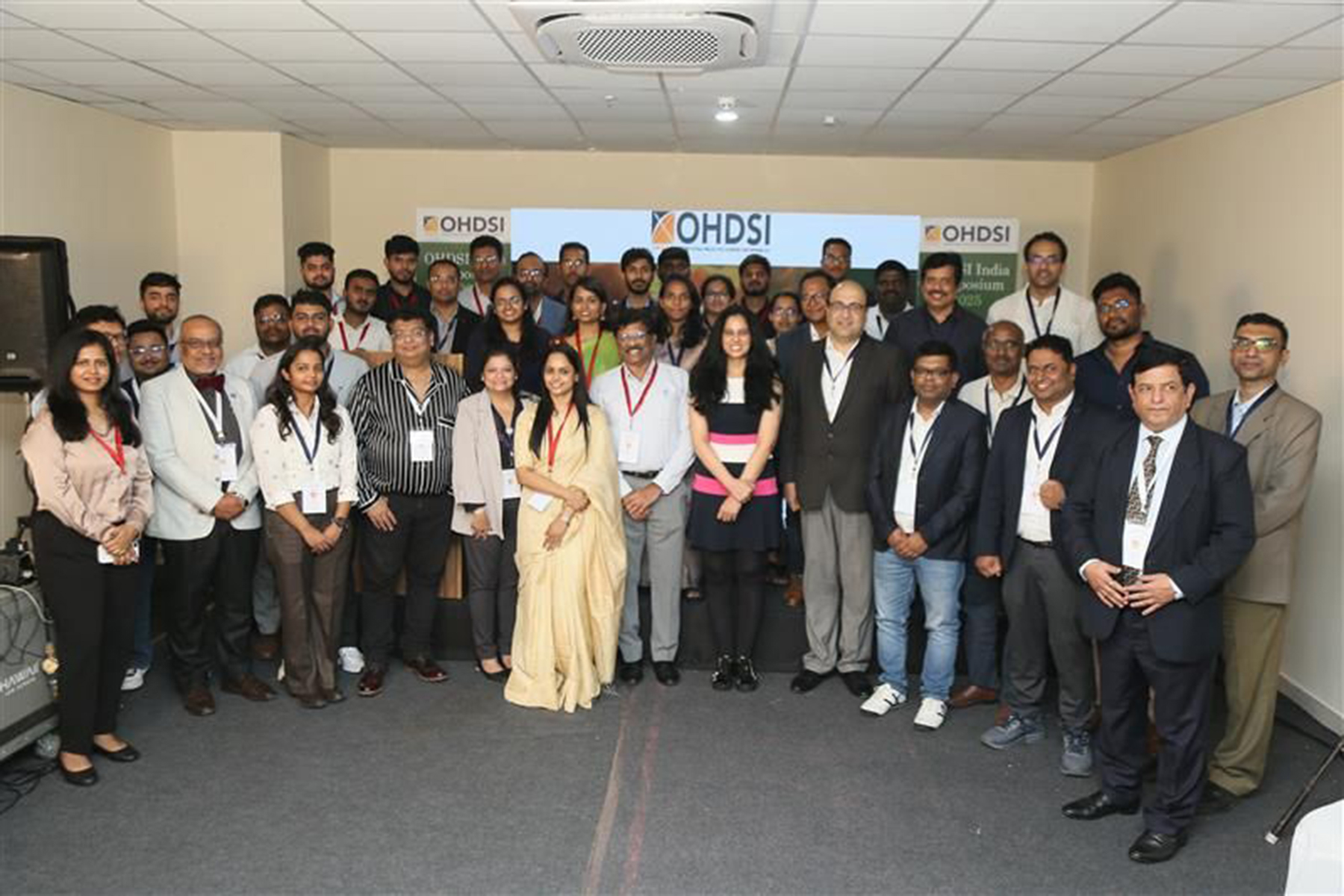
Our speakers collectively framed the potential of real-world data, shared OMOP conversion methodologies, and connected local healthcare realities with global evidence practices. Notably, unlike the first symposium, which focused largely on global best practices, the second symposium saw speakers naturally anchoring discussions around active OMOP use cases, reflecting real progress beyond theory.
Despite an unexpected power outage, attendee engagement remained strong, reflecting the resilience and commitment of the community. I left the symposium feeling deeply optimistic—this was more than a conference; it marked the beginning of a meaningful transformation in how India approaches health data, evidence, and collaboration.
What are key priorities for OHDSI in India in 2026, and how will they build upon the progress made over the past year?
In 2026, the key priority for OHDSI India is to move from the Ignite phase to the Transform phase by converting early awareness into structured, sustainable action across the ecosystem.
Key priorities include launching training programs, expanding data partners, strengthening collaborations, engaging with government stakeholders, and exploring funding opportunities. A central driver of this phase is OHDSI INDRA (Indian Network of Data Research and Analytics) a workgroup-based model designed to advance adoption through focused efforts in Training, Technology & Innovation, and Partnerships, led by contributors from academia, hospitals, and industry.
In parallel, three patient registries are being developed using OMOP principles to generate high-quality, research-ready real-world data. These initiatives balance global interoperability with India’s local healthcare needs and are supported and sponsored by Global Value Web, helping translate intent into execution.
Strong leadership continues to anchor this journey. The mentorship of Louis Hendriks, Parthiban Sulur, and Dr. Vikram Patil, along with a structured governance framework of office bearers and advisors, provides stability, credibility, and direction.
Overall, 2026 will focus on deepening adoption, capacity building, expanding data partnerships, and ensuring cohesive progress. Long term, we aim to establish state-level nodes, working toward OMOP as a common foundation for standardized, research-ready healthcare data across India.
What are some of your hobbies, and what is one interesting thing that most community members might not know about you?
Outside of my professional work, I truly enjoy cooking, which I find both therapeutic and creative, and I have a strong interest in fashion and styling, where I enjoy experimenting with colors, textures, and ideas. I also love shopping.
Something that many people might find interesting is that I am extremely friendly and love connecting with people. I truly enjoy making new friends and spending time with them, and building these connections is something I value as much as my professional work. For me, relationships and shared experiences are one of the most joyful parts of life.
